


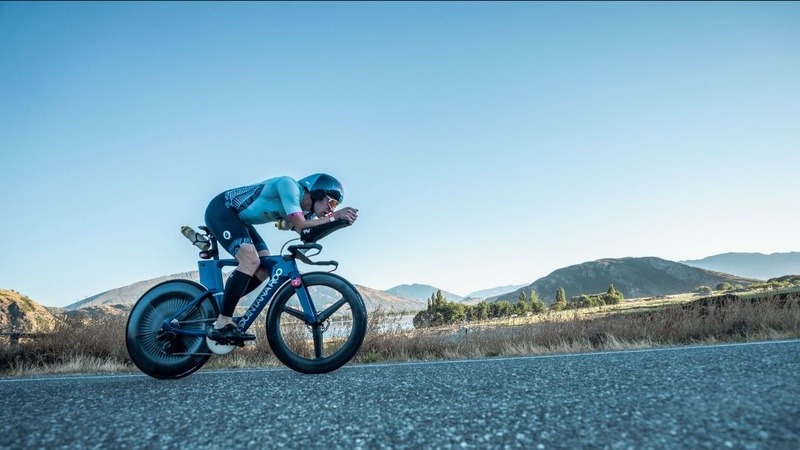
This year’s Challenge Wanaka Half event marked a big step in non-drafting triathlon racing, as age-group athletes experienced RaceRanger, the advanced electronic drafting detection system.
According to the Challenge Wanaka organising team… ‘The feedback was overwhelmingly positive, with competitors noting how RaceRanger provided clarity on the 12m draft zone, removing the stress and uncertainty of staying within the rules.
‘RaceRanger was introduced at Challenge Wanaka to provide athletes with real-time feedback on their positioning within the draft zone. With visual indicators helping competitors maintain legal distances, the system contributed to a cleaner, fairer race and a better overall experience for all participants.’
The Challenge Wanaka team adds that it is taking this innovation a step further by publishing anonymous drafting data from the event, offering athletes, officials, and event organizers insight into drafting dynamics.
The aggregated data provides an objective picture of drafting behaviour, including:
- Time spent inside the draft zone
- Instances of ‘illegal drafting’ due to:
- Exceeding 25 seconds to overtake
- Exceeding 25 seconds to drop back
- Entering a draft zone and then dropping back repeatedly (‘yo-yoing’)
- Most drafted competitor (the ‘favourite wheel’)
- Longest single drafting instance
- Frequency of ‘yo-yo’ drafting behaviour
RaceRanger has produced a detailed file on each athlete’s race, showing every passing / drafting interaction they had with other athletes on the course. This is currently still in development and is only being shared with officials at this stage.
In its summary data of age group drafting at Challenge Wānaka:
- There were on average nine instances of ‘yo-yo’ drafting behaviour for those athletes found to have been entering a draft zone and then dropping back repeatedly
- The most instances of ‘yo-yo’ drafting behaviour was 61 recorded by an athlete during the bike leg
- The average number of overtakes recorded was 50 per athlete, with the most being 184 recorded by one athlete
Challenge Wanaka Event Director Jane Sharman praised RaceRanger’s impact, saying “RaceRanger was a fantastic addition to Challenge Wanaka this year.
“As an event that prides itself on fairness and integrity, having a system that helps athletes understand and manage their drafting distances in real time was a game-changer. We saw competitors actively using the [RaceRanger] units to stay within the rules, which contributed to a much cleaner race overall.”
One of the biggest challenges in long-course triathlon is consistent drafting enforcement. RaceRanger provided officials with insights, improving decision-making and enhancing the overall integrity of the competition. While penalties remain part of the sport, the system’s primary goal is education and awareness – and it is proving to be a tool in achieving that.
“We received overwhelmingly positive feedback from athletes who said RaceRanger removed the guesswork of drafting,” added Sharman. “Knowing exactly where they stood in relation to competitors allowed them to race with confidence, without constantly worrying about potential penalties. Many were surprised at just how far 12m actually is in a race environment.”
RaceRanger continues to evolve, with future developments including:
- Single-unit systems for easier self-installation on bikes
- Live internet connectivity for real-time drafting data, live athlete tracking, and potential stopped athlete alerts for added safety
“Challenge Wanaka has always been a supporter of innovation in triathlon, and we’re excited about where RaceRanger is heading,” continued Sharman. “The potential for live tracking and real-time race data is something we believe will elevate the athlete experience and enhance fairness in our sport.”
www.challenge-wanaka.com
www.RaceRanger.com