


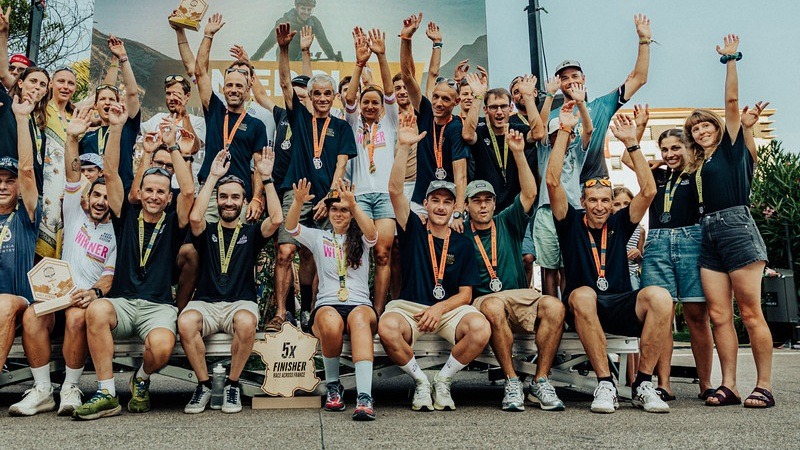
The Race Across France ultra-endurance cycling event has successfully concluded its 2026 edition despite facing logistical challenges caused by an extreme heatwave across Europe.
The series flagship 2,500km event offers a gruelling crossing of the country, starting from Hendaye on the Atlantic coast, traversing the Loire Valley and the Alps, and finishing at Mandelieu-La-Napoule on the Mediterranean coast.
Following a decision by the Loiret departmental authority in north-central France to postpone organised sporting events due to weather conditions, where temperatures reached up to 40°C during the day, the Race Across France organiser made the decision to alter the flagship 2,500km event. To ensure participant safety, the race was halted for those riders who had not yet passed through the affected areas.
Instead of cancelling the event completely, the management team restarted the race from Albertville, eastern France, once conditions allowed. The 1,000km event, which was originally scheduled to start in Orléans, was also relocated entirely to Albertville due to the heat.
Arnaud Manzanini, the founder and event organiser of the Race Across Series, managed the complex logistics under high pressure, reportedly sleeping for less than two hours each night to ensure rider safety. While some athletes on the 2,500km route unfortunately had their races ended early due to the implementation of strict safety cut-off points, the adjustments allowed as many competitors as possible to reach the finish line.
What drives many ultra endurance cyclists to compete in these extreme events seems to go beyond fitness. It is more a journey of self-discovery, pushing through intense psychological battles against sleep deprivation and adversity to find personal resilience, raise charity funds, or experience the mindfulness of the open road.
Among the international cohort of approximately 1,400 riders from 26 nations, Welsh cyclist Rhydian Morris achieved a strong result in the 2,500km race. The 35-year-old from Forden in mid-Wales had successfully passed through the worst affected region around Orléans before the restrictions were implemented, allowing him to continue uninterrupted.
After building his foundation at ultra-cycling events such as the Tour de la Station and Les Géants, Morris faced a highly compromised build-up to the event last year. Securing only five weeks of structured preparation, this limited training ultimately triggered a severe knee injury, forcing him to abandon the 2025 race after 1,500km.
Following a challenging winter of recovery, he returned to France this year to secure third place overall in the flagship 2,500km route, marking the strongest British performance in the history of the event.
Morris noted that he is drawn to the “mental challenges of ultra-cycling”, including managing sleep and food deprivation, as well as the peace of the outdoors. This type of riding requires participants to handle sleep loss and caloric deficits over long distances, making psychological endurance a practical necessity on the road.
Commenting on the development of the discipline, he indicated that while the sport has grown and is receiving more coverage, it still lacks the funding required to rapidly increase its popularity, attracting “pure cyclists who are not motivated by financial rewards.”
The 2026 edition of Race Across France also highlighted the series’ commitment to facilitating the participation of disabled athletes. At the post-race awards ceremony, the organisers celebrated multiple adaptive participants, including Boris Ghirardi, who completed the 200km night event alongside his duo partner Esteban Valcarcel.
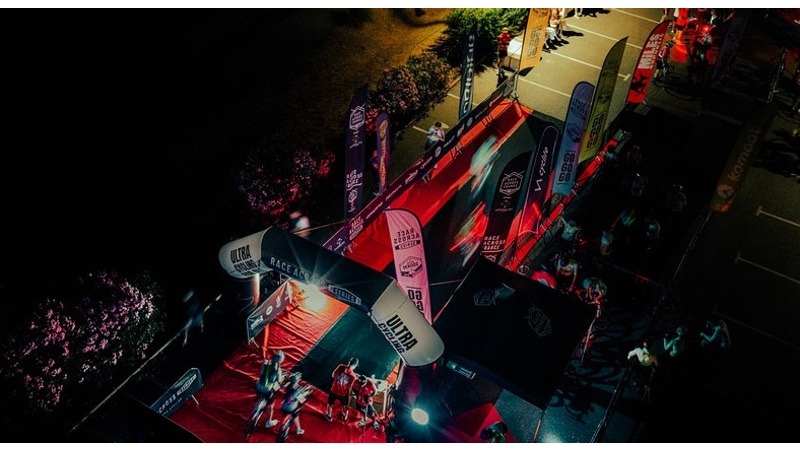
This 200km overnight format was intentionally introduced by the organisers as an accessible ‘taster’ event, giving aspiring ultra-cyclists a manageable taste of night riding and pacing strategy without a daunting multi-day commitment.
Ghirardi noted that the extreme heat created significant difficulties on the course, causing his prosthetic leg to heat up considerably during the ride. Despite the physical challenges, the duo finished the route and was welcomed at the finish line by the event community.
Race Across France is organised by the Race Across Series, which aims to redefine ultra-distance cycling by combining self-sufficiency with structured event support. Riders remain autonomous regarding their pacing, strategy, and logistics, while a network of basecamps provides hot meals, showers, beds, and medical support.
Competitors in the 2,500km event are required to rest for a minimum of 4 hours every 36 hours. This mandatory down-time is monitored continuously via live GPS tracking by the event team’s Operational Management Station to maintain safety standards across the field.
Next year, the event partnership with the coastal town of Mandelieu-La-Napoule will celebrate its 10-year anniversary. Founded in 2018, the wider Race Across Series has expanded to include eight events across nine countries, spanning France, Spain, Belgium, the Netherlands, Luxembourg, Switzerland, Portugal, Canada, and the United States.
Related posts:
 Race directors unveiled for Lloyds Tour of Britain women’s and men’s races
 Star riders to descend on Monterey for Life Time Sea Otter Classic
 Jan Ullrich to lead star-studded line-up at Mallorca 312 OK Mobility
 Life Time expands U23 program, increasing athlete roster and introducing race entry support