


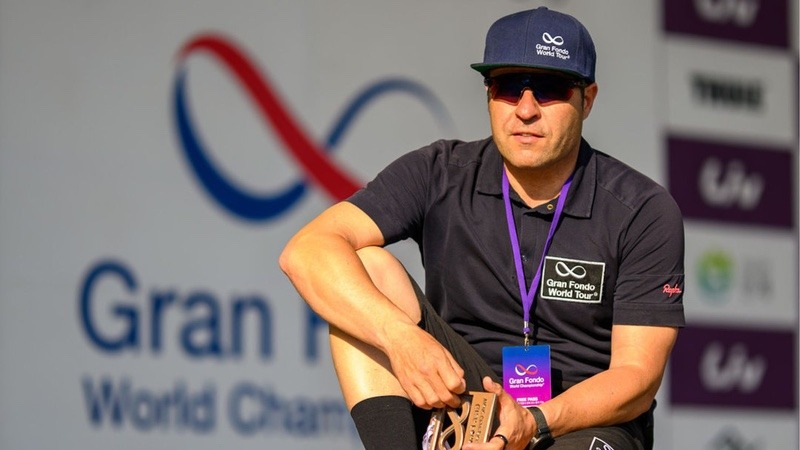
Dani Buyo, CEO of Gran Fondo World Tour (GFWT), the international series of cycling events, has issued a statement explaining the philosophy of its events and why GFWT does not follow the rules of international federation, the Union Cycliste Internationale (UCI).
Buyo explained, “We are not under the federation’s control, so we may adapt better to the events in each country – supporting them to reach more international participants.
“We are a 100% private circuit, in the end we are under the umbrella of the Sports & Events department of Grandvalira-SAETDE, with whom we are partners. We do not look to the federation because we do not believe in standardization or in the gags that the federations often put at the level of regulations and standards, precisely because each country and each organizer is a different reality.
“There are organizations that are smaller, there are others that are private companies, others are associations or cycling groups – and many times they can be stifled by economic requirements for being in a federative circuit, the requirements of regulations and to carry federation members and have expenses that pressure them a lot on their budget.”
Buyo continued, “We believe more in listening to the event and knowing where they need more help, in the internationalization or in the organization of the event and we offer these services without standardizing.”
Addressing the changes faced by the cycling events industry since the pandemic, Buyo said “I am not sure if pre-pandemic figures will be reached again in mass participation sporting events.
“People have diversified and are looking for events with fewer participants where they are valued and there is attention given to the participant. Even if this is more expensive, it is seen as better by the rider. In that respect I think people are looking to spend more to receive more attention.”
On the ethos and atmosphere among participants in GFWT races, Buyo added “There is always a competitive factor obviously if the race has timed sections, but as a general rule you find a lot of camaraderie, a lot of groups of friends from cycling clubs, wherever the country, who go and do it as a challenge.
“They take their time at refreshment posts and stop to hydrate, comment on the last climb, how it went… It gives an opportunity for socialization that is key for an event to stabilize its place in the calendar.
“The person who comes to participate in an event should be saying to others: ‘Hey come, it is an event that is great, it is safe, I had fun and you can also do it with your friends, you can meet people, and it’s all done at your own pace.’
“This is the key for an event to ultimately build loyalty.”