

Data from DATEV Challenge Roth, captured on July 5, 2026, has revealed a significant decrease in drafting activity at this year’s event, despite the mandatory minimum spacing distance between professional athletes being increased from 12m to 20m.
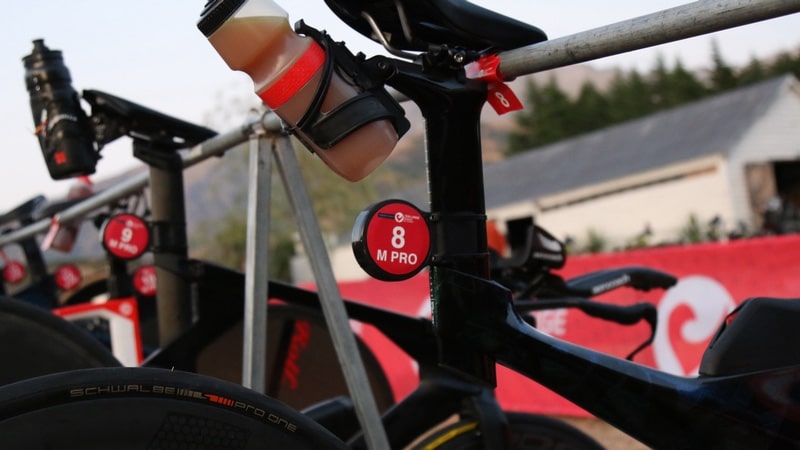
Following the publication of complete RaceRanger data in 2025, DATEV Challenge Roth and electronic distance-measuring technology provider RaceRanger continued the initiative in 2026. The latest analysis shows the average illegal drafting time per professional fell by 53% from 2 minutes 40 seconds to 1 minute 15 seconds. The median drafting time dropped 77%, from 1 minute 10 seconds in 2025 to 16 seconds in 2026.
The frequency of ‘yo-yo’ manoeuvres – where athletes enter the draft zone without completing an overtake before dropping back – fell by 66%, from 23.4 to 7.9 per athlete. Additionally, the proportion of professionals recording more than two minutes of illegal drafting time more than halved from 35% to 14%, while the proportion of entirely clean bike splits with zero drafting time rose from 22% to 29%.
Among male professionals, average illegal drafting time decreased from 3 minutes 15 seconds to 1 minute 43 seconds, with the proportion spending more than two minutes in the draft zone dropping from 44% to 19%.
In the women’s field, average illegal drafting time fell from 58 seconds to 25 seconds, while 60% of female professionals completed the bike leg with zero illegal drafting time, up from 41% in 2025. The median drafting time for women reached 0 seconds for the first time.
At the front of the race, average illegal drafting time for the top ten men dropped from 1 minute 47 seconds to 23 seconds – a 78% reduction. Men’s race winner Sam Laidlow recorded a world-record time of 7:21:04 with 18 seconds of illegal drafting time over the 180km bike leg. In the women’s top ten, average drafting time decreased from 1 minute 49 seconds to 38 seconds.
James Elvery, founder of RaceRanger, said “The figures speak for themselves. Although the professionals had to maintain a significantly greater distance of 20 metres this year, drafting activity has decreased markedly in all key areas.
“At the very top of the field in particular, the athletes are setting a good example. This is a major step forward for fair professional sport. The openness with which Roth publishes this data is unique worldwide and provides a significant boost to our sport.”
Felix Walchshöfer, Race Director at DATEV Challenge Roth, said “Last year, on the initiative of Sam Laidlow, we decided to make the RaceRanger data public. This year’s results impressively demonstrate that transparency works. The permitted distance was increased from 12 to 20 metres at the request of the majority of the professionals; the rules were therefore significantly stricter than in the previous year.
“We are delighted that riders still competed fairly despite this, and it shows that fairness and transparency go hand in hand in professional sport. That was precisely our aim.”
Walchshöfer added that on-site race officials retain the final decision regarding potential rule breaches, with RaceRanger serving as a technical support tool for referees.
As in the previous year, the data analysis was adjusted to exclude course sections with high spectator density (Solarer Berg, Kränzleinsberg and Kalvarienberg), the first and last 500m of the bike course, and all aid stations, which were designated as exempt from drafting rules by the Referees’ Panel.