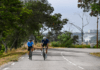



The inaugural Adama Bike Race took place on July 11, 2026 in Adama, Ethiopia, aiming to revive the country’s cycling culture and position the city as a sport tourism destination.
The event was organised by Adama City Administration. It partnered with the Oromia Culture and Tourism Bureau, the Oromia Tourism Commission, Victory Event Production, the Ethiopian Cycling Federation, and the Oromia Cycling Federation.
Known as the ‘Jewel of the Rift Valley’, Adama is expanding its sporting ambitions. The Adama Bike Race was broadcast live on Oromia Broadcasting Network (OBN), showcasing the city’s newly developed green corridors, modern public spaces and the recently inaugurated City Arena. This follows other sporting initiatives hosted by Adama, such as a recent rally competition.
Located in Oromia, a region known for producing many of Ethiopia’s athletes, Adama is investing in sport as part of its wider urban development strategy.
In the elite men’s 70km race, Fuad Shamil of Shaggar City Cycling Club claimed victory ahead of Solomon Alemu of Addis Ababa City Cycling Club. Yabsira Kassahun, also representing Shaggar City, finished third.
The event also featured elite women’s racing over 40km, alongside a 10km community ride that attracted approximately 190 recreational cyclists. Around 120 elite riders representing four regional states and two city administrations competed in the inaugural event.
Bicycles were previously a familiar part of daily life in Adama. As the city expanded and motorised transport became dominant, that cycling culture gradually faded. City leaders aim for the event to reconnect residents with this heritage while encouraging a new generation to embrace cycling.
Hailu Jalde, Mayor of Adama, said “This cycling race demonstrates that by keeping our cities clean, attractive and well developed, they can become destinations for sports tourism. It also shows that cities can create opportunities for young people while generating income for the country.”
He added that the race demonstrates how improved urban environments can create opportunities for both young people and the wider economy through sport tourism.
Officials from the Oromia Cycling Federation described the event as an important step in strengthening cycling across the region and increasing public participation in the sport.
Biruk Teshome, Head of the Oromia Cycling Federation Office, said “This programme was organised to strengthen cycling in Oromia and help the public better understand and embrace the sport through events like this.”
For participants, the race offered an opportunity to compete through Adama’s expanding network of landscaped corridors and recreational spaces. Local authorities hope these urban developments will support future national and international sporting events.
Organisers intend for the Adama Bike Race to become an annual fixture on Ethiopia’s sporting calendar, contributing to the revival of competitive cycling while supporting tourism, healthy living and sustainable urban mobility.
www.ethiopiancyclingfederation.com